

If you’re in the shortlet business in Nigeria — Lagos, Abuja, Port Harcourt, or anywhere in between — you’ve probably asked yourself this question a lot lately:
“What exactly is going on in the shortlet market right now?”
Let me be honest… in my 5 years in this industry, this is the first time I’m seeing this kind of drought.
Apartments that normally stay fully booked are sitting empty. Guests are haggling over every naira like they’re buying tomatoes at the market. Some service apartments are vacant for weeks. Even Airbnb traffic has slowed noticeably.
And if you’re like me, you’ve probably had private thoughts like:
-
“Is shortlet still profitable?”
-
“Should I invest more now?”
-
“What changed in the market?”
-
“Is shortlet dying in Nigeria?”
So let’s sit down like friends and break it all down — no corporate jargon, no sugarcoating. Just the truth, what is happening in the shortlet market in Nigeria, and actionable insight.
What’s Really Affecting the Shortlet Market Right Now
- The Economy is Squeezing Everyone
Let’s face it: people are spending less. Even guests who used to casually book service apartments are thinking twice:
- “Do I really need this?”
- “Can I just stay with family?”
- “Maybe I’ll try a cheaper hotel.”
The economy is directly affecting shortlet bookings. If your apartments are priced without considering what guests can afford, occupancy drops fast.
- Oversupply — Too Many Apartments, Not Enough Demand
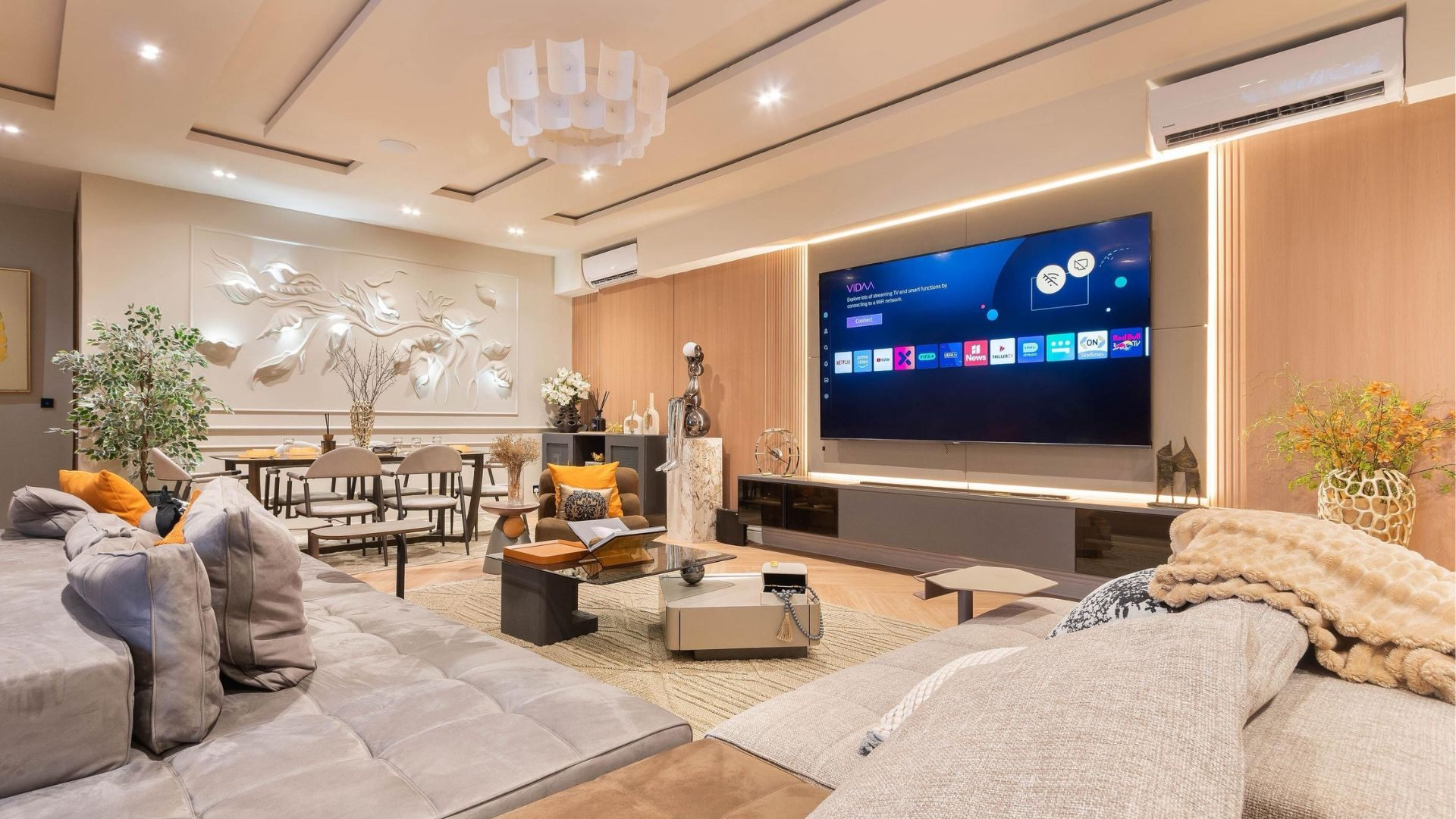
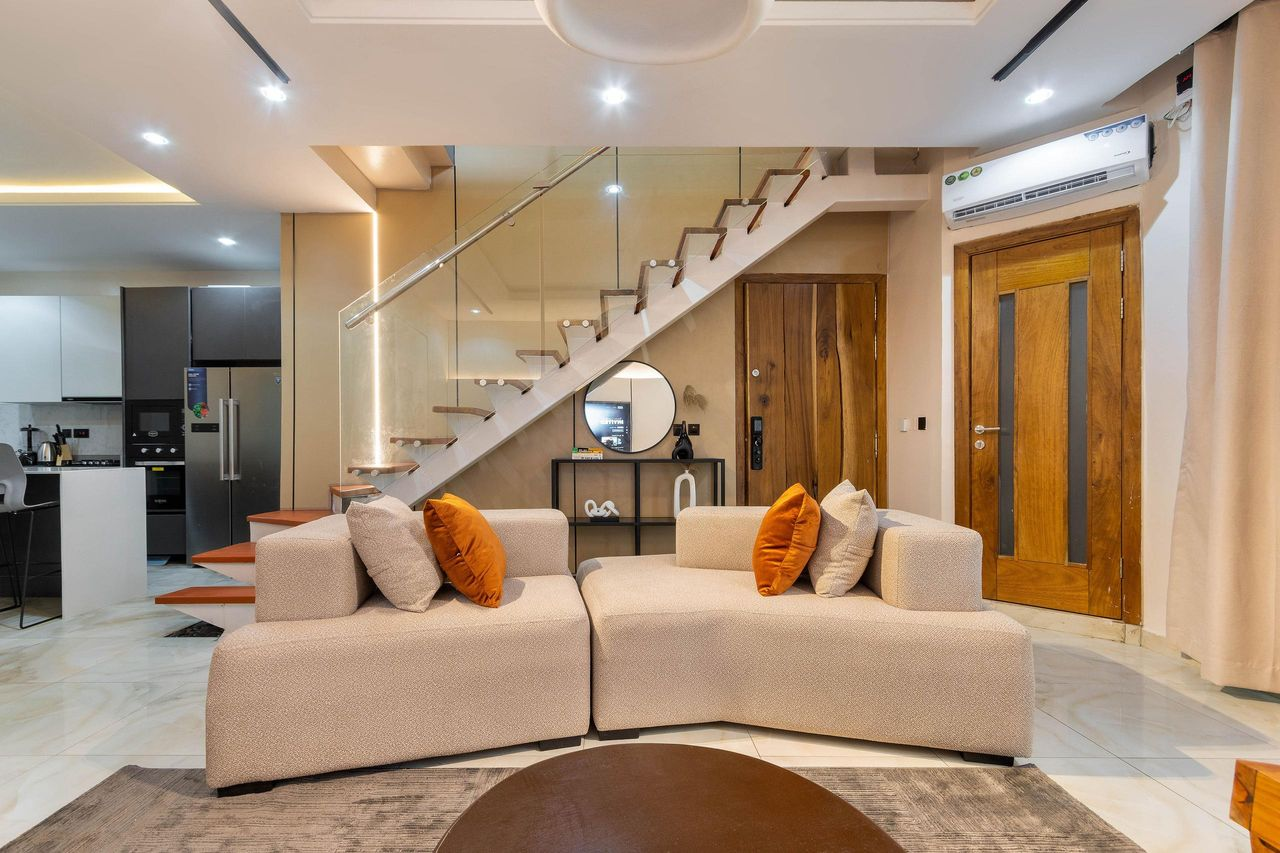
Everyone rushed into the shortlet business over the past few years. The result? Most apartments look exactly the same:
- Grey couch
- White rug
- Fake plant
- LED lights
- Gold mirror
When guests have hundreds of identical options in Lekki, Ikate, or Victoria Island, they don’t feel urgency to book yours.
- Guests Want Experience, Not Just a Room
The market has matured. Guests no longer want just:
- A bed
- A bathroom
- Netflix
They now expect:
- Clean, fresh apartments
- Calm ambience
- Stress-free check-in
- Friendly, responsive hosts
- Kitchens that actually work
- A place that feels like home
If you haven’t upgraded your apartment experience, guests notice — and choose competitors.
- Airbnb Traffic is Slow
Airbnb bookings in Nigeria are not what they used to be. Why?
- New regulations
- Fewer foreign guests
- Economic caution
- Rising competition
- More guests booking directly
Hosts relying solely on Airbnb are feeling the impact.
- Pricing Mistakes & December Price Hikes
Dollar increases → furnishing costs → higher landlord rent → hosts pass the cost to guests.
Many hosts raise rates in December, thinking it’s “peak season.” Nightly prices sometimes jump from N100k to N180k, but guests didn’t get richer. Many skip bookings, look for cheaper alternatives, or stay with family. Smart hosts now use flexible pricing and clear value to stay booked.
- Insecurity & Travel Fear
Insecurity in major cities is affecting shortlet demand. Travelers avoid certain neighborhoods, postpone trips, or cancel weekend getaways. Families and solo travelers now prioritize safety over aesthetics, which is why even well-furnished apartments in Lagos and Abuja sit empty. Hosts focusing on safe locations and clear communication stay more resilient.
- Low Tourist Footfall
Fewer events, conferences, and leisure tourists this December mean less short-term demand. Hotels are noticing the same slowdown, and service apartments are feeling it too. Savvy hosts now target corporate clients, long-term stays, and local travelers to stabilize occupancy even during low-tourism periods.
Is Shortlet Still Profitable?
Yes — but only if you evolve.
Shortlet is profitable for hosts who:
- Understand the new market
- Upgrade guest experience
- Position apartments strategically
- Use SEO, content, and marketing
- Build returning guests
- Choose good locations
- Avoid being “copy-paste” operators
Shortlet is NOT profitable for hosts who:
- Depend only on Airbnb
- Don’t have a brand
- Overprice without value
- Operate casually
- Have generic, personality-less apartments
Shortlet has shifted from “vibes” → “value”. Give value, and guests will pick you.
Will the Shortlet Market Crash?
Let’s be real — if you’re a host, investor, or someone thinking of starting a service apartment, these questions are probably on your mind:
- “Will the shortlet market crash?”
- “Is it still safe to start and set up a service apartment in 2026?”
- “What can I do differently to survive and thrive?”
Here’s the truth: the market isn’t dead, but it’s changed. Some areas and some types of hosts are feeling a correction — almost like a reset — because not everyone adapted.
Why Some Hosts Are Part of the Problem
Believe it or not, some of the low demand we’re seeing is caused by hosts themselves:
- Ridiculous price hikes — jumping nightly rates from N100k to N180k without offering extra value. Guests notice this and either skip your apartment or go for cheaper options.
- Generic apartments — too many hosts copy the same décor, vibe, and furniture. Guests get bored and don’t feel urgency to book.
- Poor communication & experience — slow responses, messy check-ins, and underwhelming stays turn repeat guests away.
Is it Still Safe to Start a Service Apartment?
Yes — if you do it the smart way. The days of “just buy an apartment, throw in a grey sofa, and wait for Airbnb” are over. To start safely, you need to:
- Research your market — know demand, competition, and guest expectations
- Focus on value — quality furnishings, safe location, functional kitchen, clean spaces
- Plan for flexible pricing — adjust for low and peak seasons
- Use direct bookings & marketing — website, SEO, social media, and repeat guest strategy
- Prioritize safety and trust — especially in Lagos, Abuja, and Port Harcourt
What Can Hosts Do Differently to Thrive?
- Stop competing on price alone — compete on experience, trust, and convenience.
- Upgrade your apartment experience — small touches like softer lighting, a good fragrance, or better kitchen appliances make a big difference.
- Diversify booking channels — don’t rely solely on Airbnb. Use your website, direct WhatsApp bookings, and corporate clients.
- Communicate & delight guests — prompt responses, flexible check-in, and personalized touches create repeat business.

Conclusion: The Shortlet Market— Adapt, Don’t Panic
If you’ve made it this far, you know the truth: the shortlet market in Nigeria isn’t dead, but it has shifted dramatically.
December price hikes, insecurity, low tourist footfall, and oversupply have created a drought for some hosts — but it’s not the end of the road. The market is resetting, and this is exactly the time for smart, strategic operators to stand out, deliver value, and thrive.
Here’s the takeaway:
-
Profitability is still possible — but only for hosts who adapt, upgrade their experience, and price intelligently.
-
Direct bookings and marketing matter more than ever — don’t rely solely on Airbnb.
-
Safety, trust, and differentiation win guests — those who focus on these will survive and grow.
-
Hosts must reflect on their own practices — overpriced or generic apartments contribute to low demand.
The old way of doing shortlets is gone. The hosts who evolve in 2025 — embracing value, understanding the market, and delivering an exceptional experience — will be the ones who thrive.
So, if you’re wondering “Is it too risky to start a service apartment now?” or “Will the market crash?” — remember this: risk exists, but it’s manageable. Do it right, and shortlets remain a profitable and rewarding business.